
Bollards are widely used physical barriers designed to control vehicle access, protect infrastructure, and improve pedestrian safety. Found in urban streets, commercial facilities, parking areas, and high-security sites, bollards serve important part in traffic management and perimeter protection.
JIETIAN will explain the definition of a bollard, its main types, common uses, design considerations, and installation methods.
What is a bollard?
A bollard is a short, vertical post installed to control or restrict vehicle movement while allowing pedestrian access. Originally used in maritime environments as mooring posts for boats, bollards have evolved into an important element of urban safety and security infrastructure.
Modern bollards are typically made from materials such as steel, stainless steel, concrete, or polymer composites. Depending on the application, they may be fixed permanently in place or designed to retract, fold, or be removed when access is required.
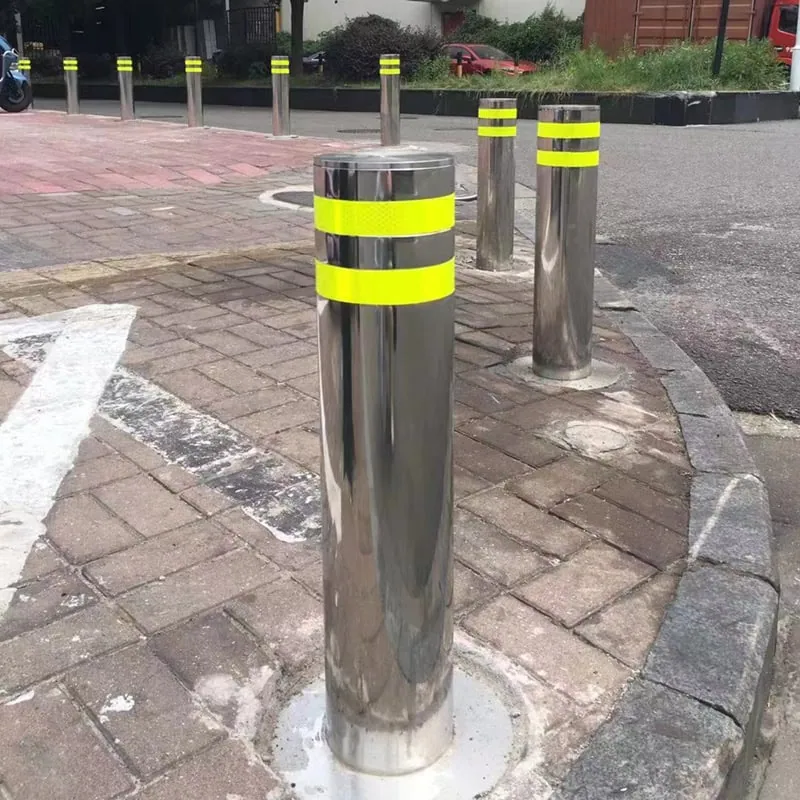
Bollards are commonly installed along sidewalks, building perimeters, parking areas, and restricted roadways to create a protective barrier against vehicles.
Types of bollards
Bollards come in several configurations, each designed to meet specific operational and security needs.
Fixed Bollards
Fixed bollards are permanently installed posts that provide continuous protection. They are commonly embedded into concrete foundations and are used in areas where vehicle access should never be allowed.
Typical applications include storefront protection, pedestrian zones, and building perimeters.
Removable Bollards
Removable bollards can be taken out of their ground sleeves when vehicle access is required. They are often secured with locking mechanisms and are used in areas where access needs may change periodically.
Examples include service lanes, emergency access routes, and temporary traffic control zones.
Retractable Bollards
Retractable bollards can be lowered into the ground when access is permitted and raised when protection is needed. They may be manually operated or spring-assisted.
These bollards are commonly installed in residential driveways, commercial entrances, and private parking areas.
Automatic Bollards
Automatic bollards are motorized systems powered by hydraulic or electro-mechanical mechanisms. They rise and retract automatically through remote control or integrated access systems such as RFID, card readers, or license plate recognition.
They are widely used in high-security environments such as government buildings, airports, and controlled commercial facilities.
Decorative Bollards
Decorative bollards combine safety with architectural aesthetics. Often made from cast iron or decorative steel, they are used in urban design to complement streetscapes while still providing protection.

What are bollards used for?
Bollards serve several important functions across different environments.
Vehicle Access Control
One of the primary purposes of bollards is to restrict or regulate vehicle entry. They are used to prevent unauthorized vehicles from entering restricted areas such as pedestrian zones, private driveways, or security checkpoints.
Pedestrian Protection
Bollards help protect pedestrians by creating a physical barrier between walkways and traffic lanes. They are commonly installed near sidewalks, public plazas, and storefronts.
Security and Anti-Ram Protection
In high-security installations, heavy-duty bollards are used to stop vehicles from ramming into buildings or sensitive facilities. Crash-rated bollards are often used around government buildings, embassies, and critical infrastructure.
Traffic Management
Bollards can guide vehicle flow and organize traffic patterns in parking lots, roadways, and commercial areas. They help maintain order in busy environments.
Property Protection
Businesses and property owners install bollards to prevent accidental vehicle collisions with storefronts, equipment, or building structures.
Bollard Design
Bollard design varies depending on the required level of protection, environmental conditions, and architectural preferences.
Materials
Common materials used in bollard manufacturing include:
Carbon steel
Stainless steel
Reinforced concrete
Cast iron
High-impact polymer
Steel and stainless steel bollards are widely used because they provide high strength and durability.
Size and Dimensions
Typical bollard diameters range from 100 mm to 300 mm (4–12 inches), with heights generally between 900 mm and 1200 mm (35–47 inches) above ground. Larger diameters and thicker walls are used for high-impact protection.
Surface Finishes
To improve durability and visibility, bollards may include:
Powder coating
Hot-dip galvanizing
Brushed or polished stainless steel
Reflective strips or safety colors
Safety and Visibility
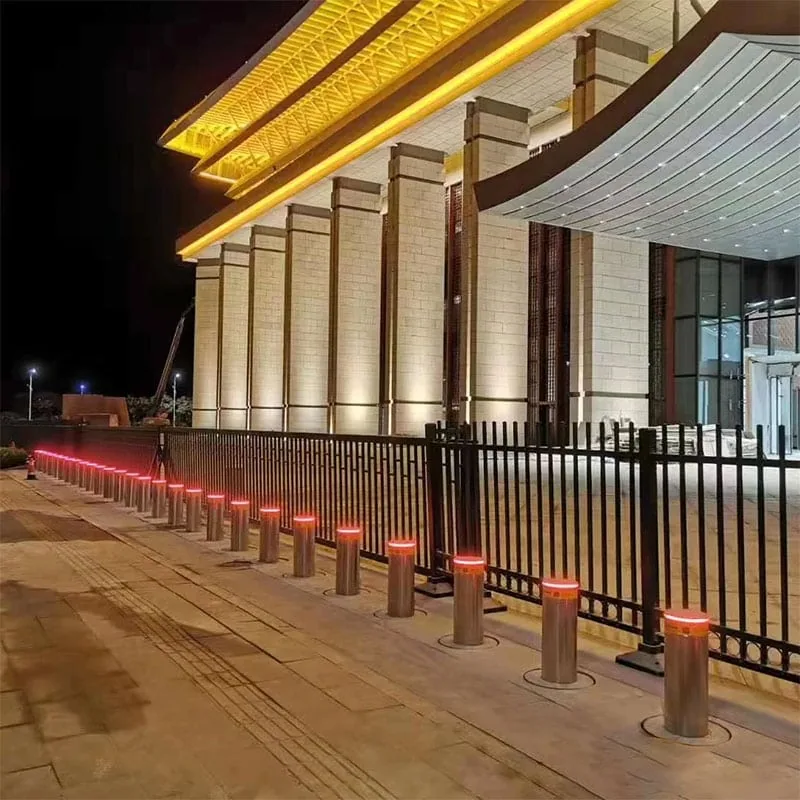
Bright colors, reflective bands, and integrated lighting are often used to improve nighttime visibility and reduce collision risks.
Bollard Installation
Proper installation is essential to ensure bollards perform effectively and provide the intended level of protection.
In-Ground Installation
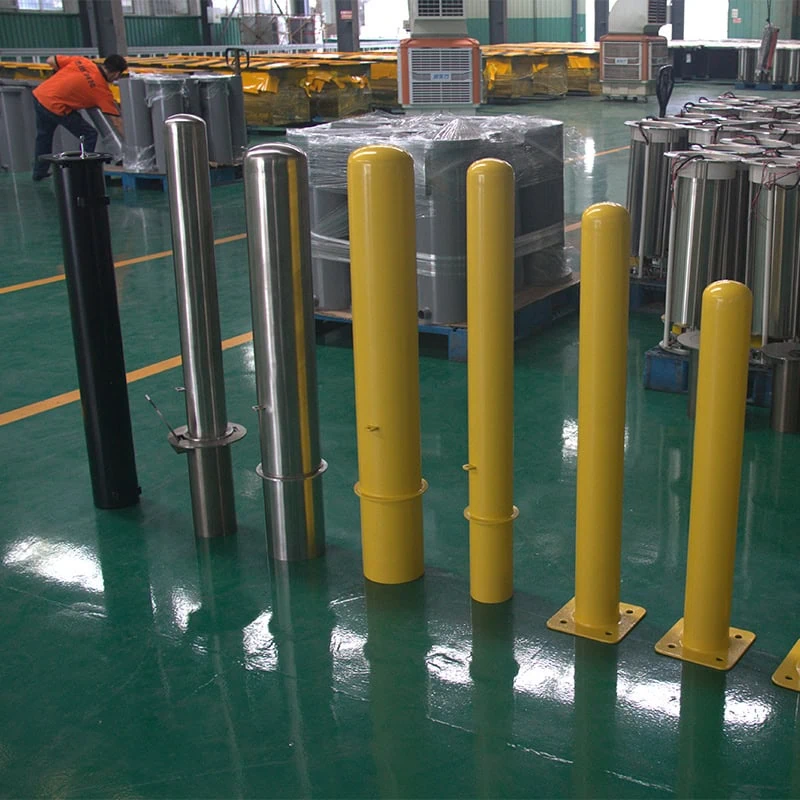
The most common installation method involves embedding the bollard into a concrete foundation. The post is inserted into a drilled hole or foundation sleeve and surrounded by reinforced concrete to secure it in place.
This method provides the highest structural strength and impact resistance.
Surface-Mounted Installation
Surface-mounted bollards are attached to the ground using base plates and anchor bolts. This method is typically used where excavation is not possible, such as in existing concrete slabs.
While easier to install, surface-mounted bollards generally offer less impact resistance compared to embedded systems.
Sleeve Installation
Removable bollards use a sleeve installed in the ground. The bollard can be inserted and locked into the sleeve when needed and removed when access is required.
Installation Planning
Proper spacing between bollards is important for effectiveness. Typical spacing ranges from 900 mm to 1500 mm (3–5 feet) to allow pedestrian movement while preventing vehicle passage.
Site conditions, traffic patterns, and security requirements should be evaluated before installation.
Through custom design and proper installation, bollards provide a reliable and effective solution for modern traffic management and perimeter protection.